The Liberty Pint Rating System
The Michelin Star of Pints
Each Pint is rated out of 10 based on 5 categories :
1. Glassware
2. Pour & Visual
3. Texture
4. Taste
5. Temperature
The 5 Categories explained:
Glassware
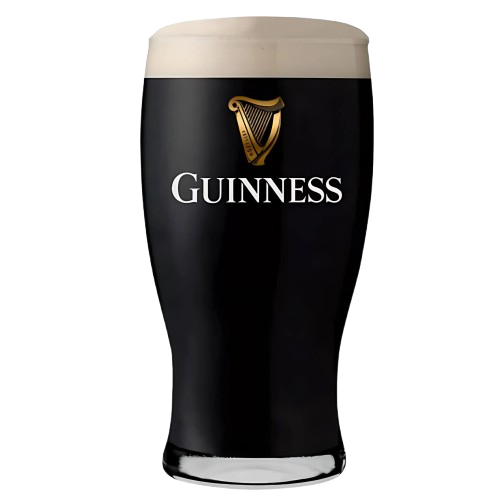
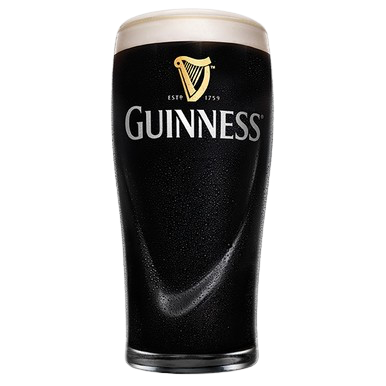
Glassware comes down to the exact glassware used for the pint reviewed. Our preference is the classic 20 ounce Tulip glass. The classic Tulip glass was almost replaced by the Gravity glass which was introduced by Guinness back in 2010 as a redesign of the Tulip glass. For avid Guinness drinkers back home, this introduction of the Gravity glass was met with some backlash, with most still requesting the classic Tulip glass for their pint. Some say the Guinness settles better in the classic Tulip glass and the head stays alive longer compared to the new redesign, others say it’s a nostalgic decision and the desire to drink like our parents and grandparents and so on. It is also very much a case of, if it’s not broken, don’t fix it. Either way, we prefer a classic Tulip glass and it’s all just a matter of opinion.
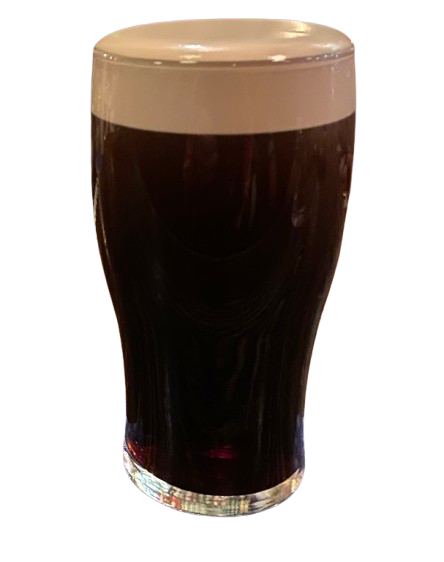
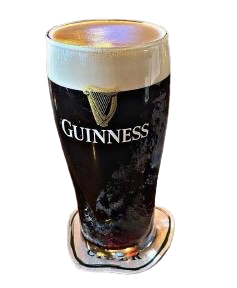
The images show each of the 2 main type of glassware used for pints. There are others but these are the two most common. The infamous Gravity glass is the left image, it’s slightly narrower and slightly taller with a contoured shape. The right image shows the classic nostalgic Tulip glass, it is a smoother glass, that’s also wider.
2. Pour & Visual
The visual and pour category is fairly self explanatory. We are rating this category off the exact look of the pint when served. We want a pint that looks creamy, the head with some domage over the top of the glass but we don’t want the head of the pint too big or too small. The result will come down to many factors, from the way the actual pint is poured, some bars do the traditional 2 part pour, some go for the 3 part pour, timing is vital for the pour, although speed is usually a good thing in the service industry, not when it comes to pints. You want your pint topped up at the right time, not too long, not too short. The pour is just one of the many factors, the other factors include the cleaning of the pipes / glassware in each establishment, the positioning and distance of the actual keg itself compared to the tap, the freshness of the keg itself which is one of the main barriers for New York bars due to logistics, the nitrogen / Co2 is also important and mainly the constant flow in a tap can help the standard of the visual & pour.
The images you can see one of the best pour & visual pints on the left, nice creamy looking pint with nice domage in the head and on the right image you can see one that’s pouring high with a larger head but with a crater instead of a domage look to it.
3. Texture
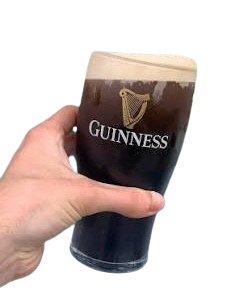
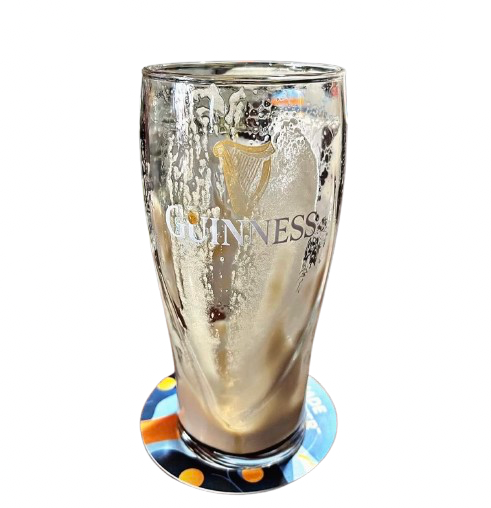
The texture is mainly connected to the texture of the head of the pint and how creamy and full of life it is when you take a good swallow of the pint. It also refers to the life in the head as the pint is being drank. To be honest, this is one of the main differences from pints in New York to pints back home in Ireland, the good pints back home in Ireland have a consistent texture in the head and a creamy texture on the lips when drinking and the best ones keep this consistency until the end and leaves a creamy glass full of beautiful Guinness foam behind. Another way to check the texture of the pint is called the “Guinness Head test” or “Tilt Test”, this is where you tilt the pint at a slight angle to see if the head keeps its shape and if it does, it should be a good pint, or so they say. Growing up in Ireland, you learn the tilt test long before you’re even legal to drink a lovely pint.
The images show the tilt test on the left image and the right image is an example of a very creamy glass with great texture and life throughout the pint that we had in New York. People refer to this cream on the glass as ‘‘good stick”, meaning the creamy head sticks to the glass it was that good.
4. Taste
The taste category is fairly self explanatory, but also for obvious reasons, one of the main differences between a beautiful pint and a terrible pint. Even pints back home that look great can have an after taste or an initial bad taste on the first sip. This can be down to many factors, freshness of the keg, cleaning of the pipes or sometimes it can just be a bad keg. You’ll know almost immediately if there’s an initial bad taste or after taste because when the pint is tasting perfect, and it’s clean and fresh, you’ll already be ordering your second pint without even thinking about the taste.
5. Temperature
The temperature is another factor that can split opinion. Another self explanatory but vital category. Personally, we love a cold pint. Not too cold where it can mask the flavour. Anything less than cold just isn’t going to do it for us. Whether it’s the post work pint, the post workout pint, the airport pint or the post round of golf pint, we always want it to be cold and refreshing.
How the Liberty Pint System works:
Any pint reviewed will be rated from 1-10 based on the 5 categories named above. Any pint that receives a rating from 1-6 out of 10 will receive no Liberty Pint, A pint that is rated 7/10 will have 1 Liberty Pint, a pint with a rating of 8/10 will have 2 Liberty Pints and a pint with a rating of 9/10 will have 3 Liberty Pints. These Liberty Pints are posted below for example and will be visible both on the pint review and on the Pint Map.
Disclaimer: Pints with a rating of 10/10 only exist in the motherland, back home in Ireland.
1-6 / 10 - No Liberty Pint
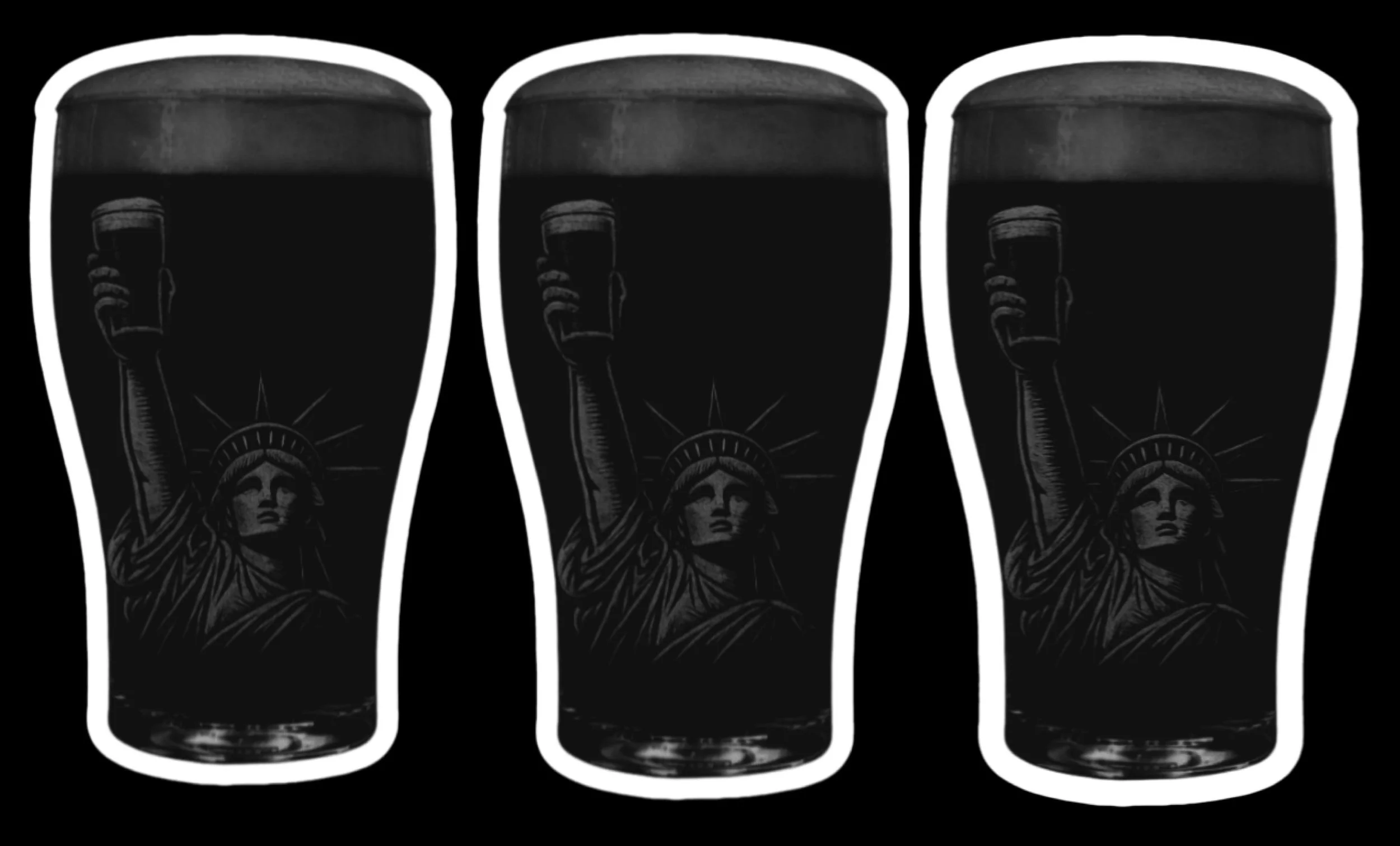
7 / 10 - 1 Liberty Pint
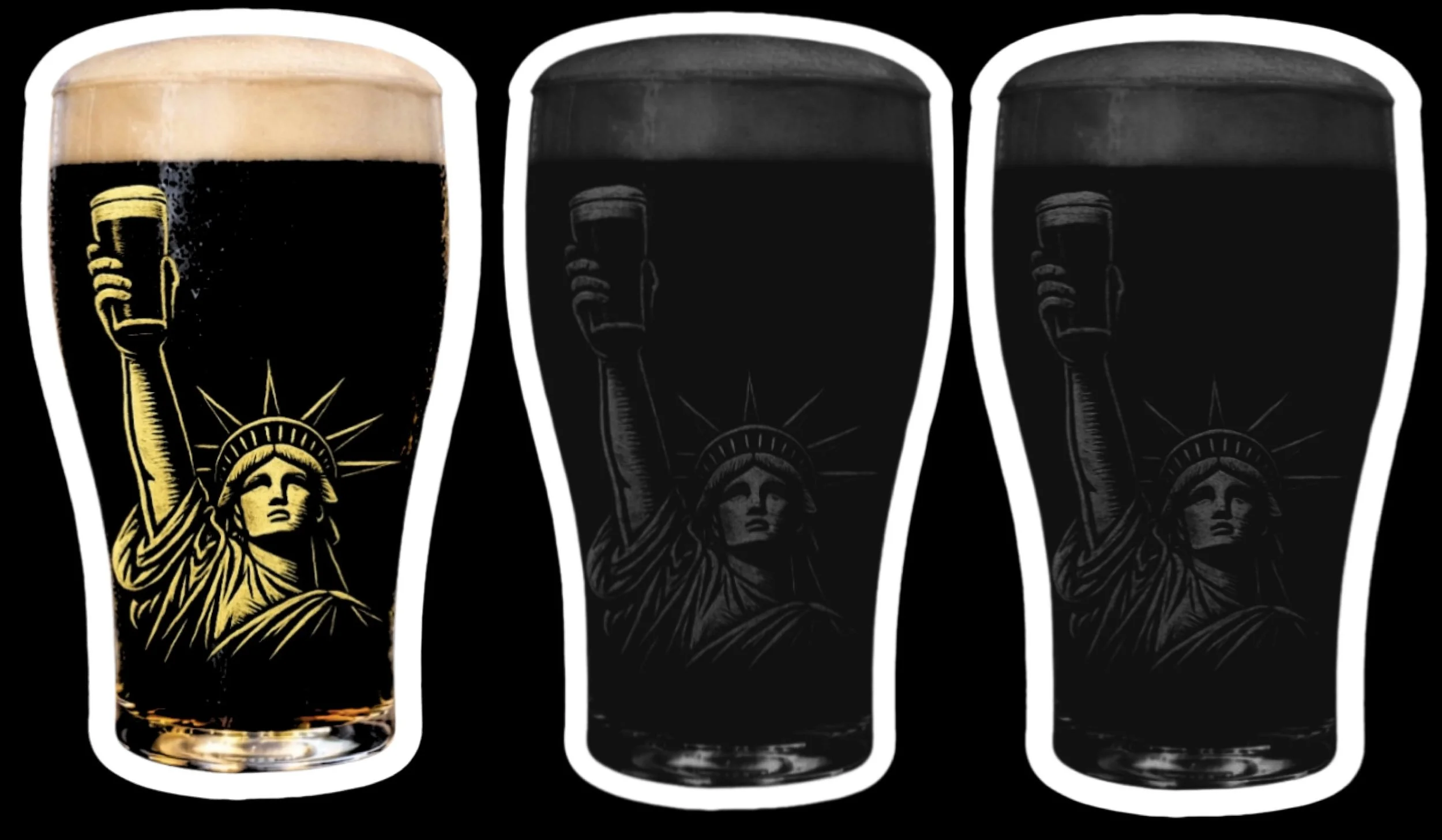
8 / 10 - 2 Liberty Pints
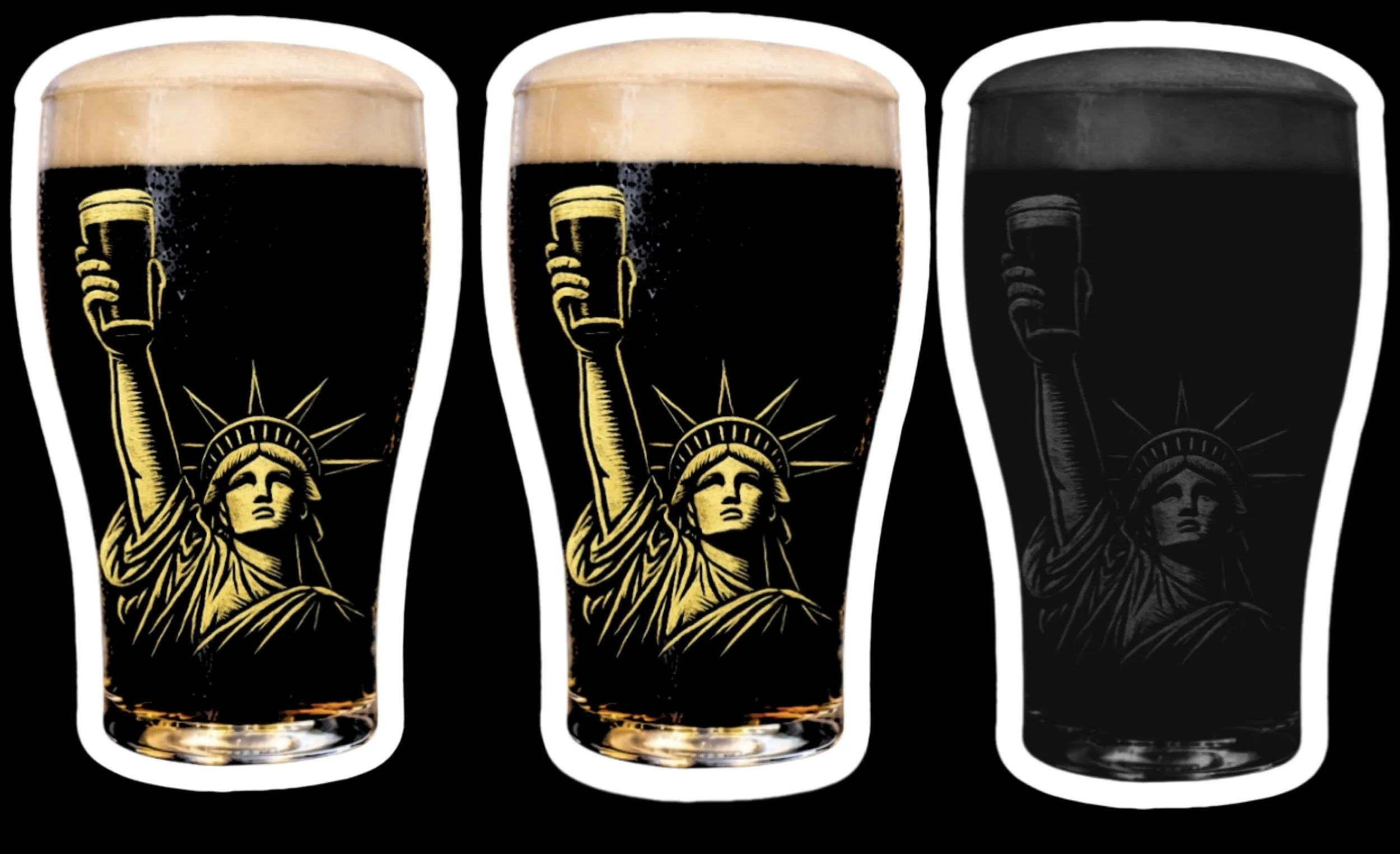
9 / 10 - 3 Liberty Pints